Sustainable Architecture for High-Rise Apartments: The Future of Urban Living
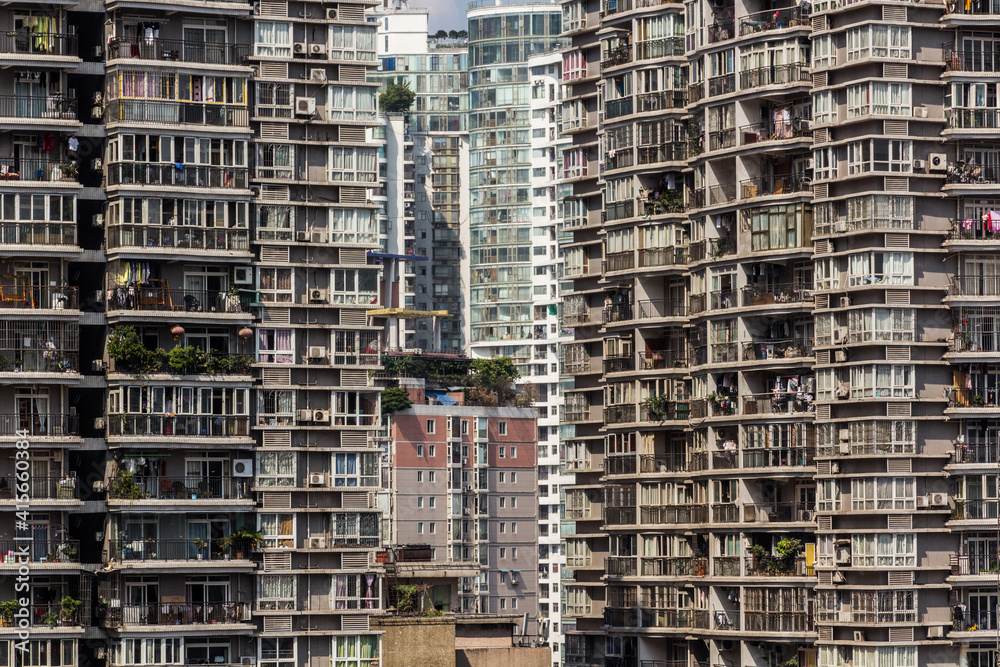
In the era of rapid urbanization, the demand for high-rise buildings has never been higher. However, this growth comes with a significant environmental cost. As architects, engineers, and policymakers, we must rethink our approach to designing high-rise apartments that prioritize sustainability and minimize their impact on the environment.
Designing Sustainable High-Rise Apartments
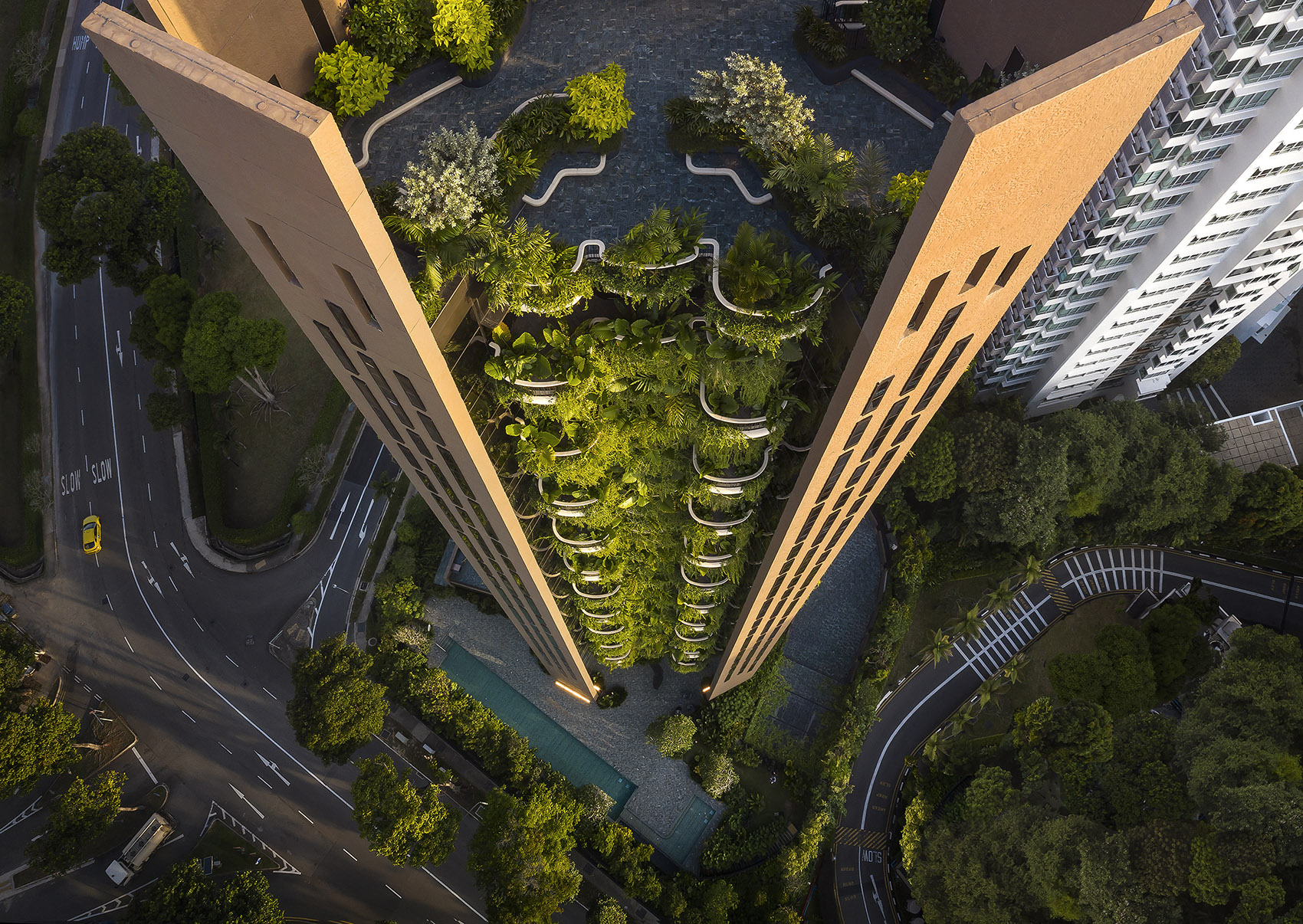
Green high-rise buildings are no longer a luxury, but a necessity. These structures not only reduce their environmental footprint but also save residents money on energy bills and enhance their quality of life.
When it comes to sustainable high-rise design, there are several key considerations:
- Energy efficiency: High-rise buildings can make significant strides in reducing energy consumption through strategies such as passive house design, smart HVAC systems, and efficient glazing.
- Water conservation: Strategies such as greywater reuse, rainwater harvesting, and low-flow fixtures can reduce water consumption and mitigate the strain on municipal water supplies.
- Materials: The use of locally sourced and sustainable materials can reduce transportation emissions, support local economies, and enhance the building's durability.
- Waste reduction: High-rise buildings can implement waste reduction and recycling programs to minimize their environmental impact.
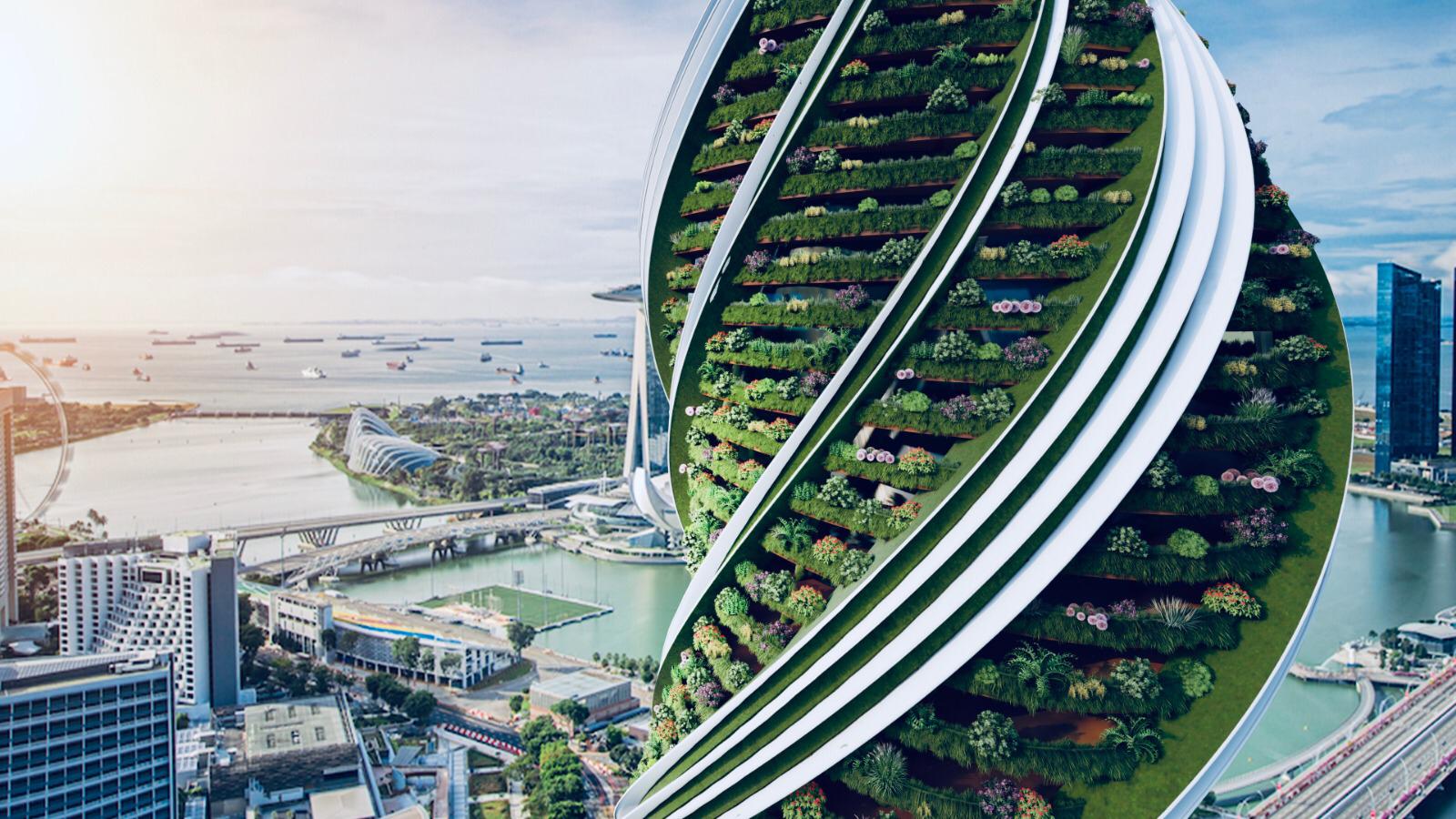
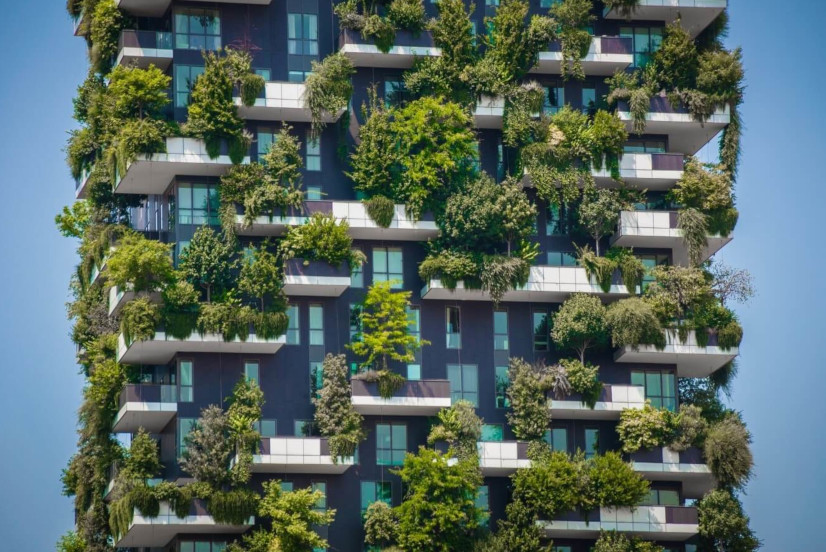
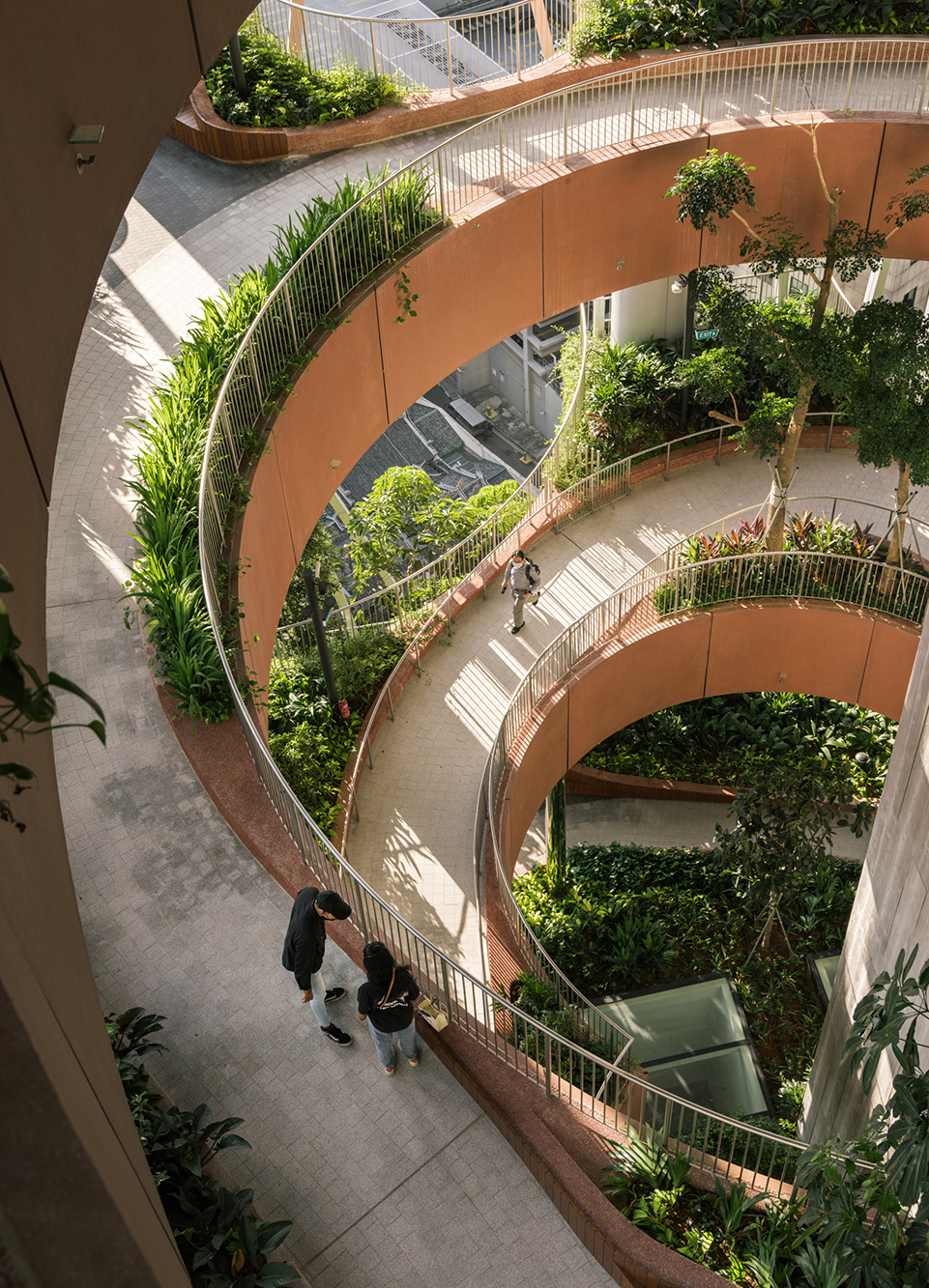
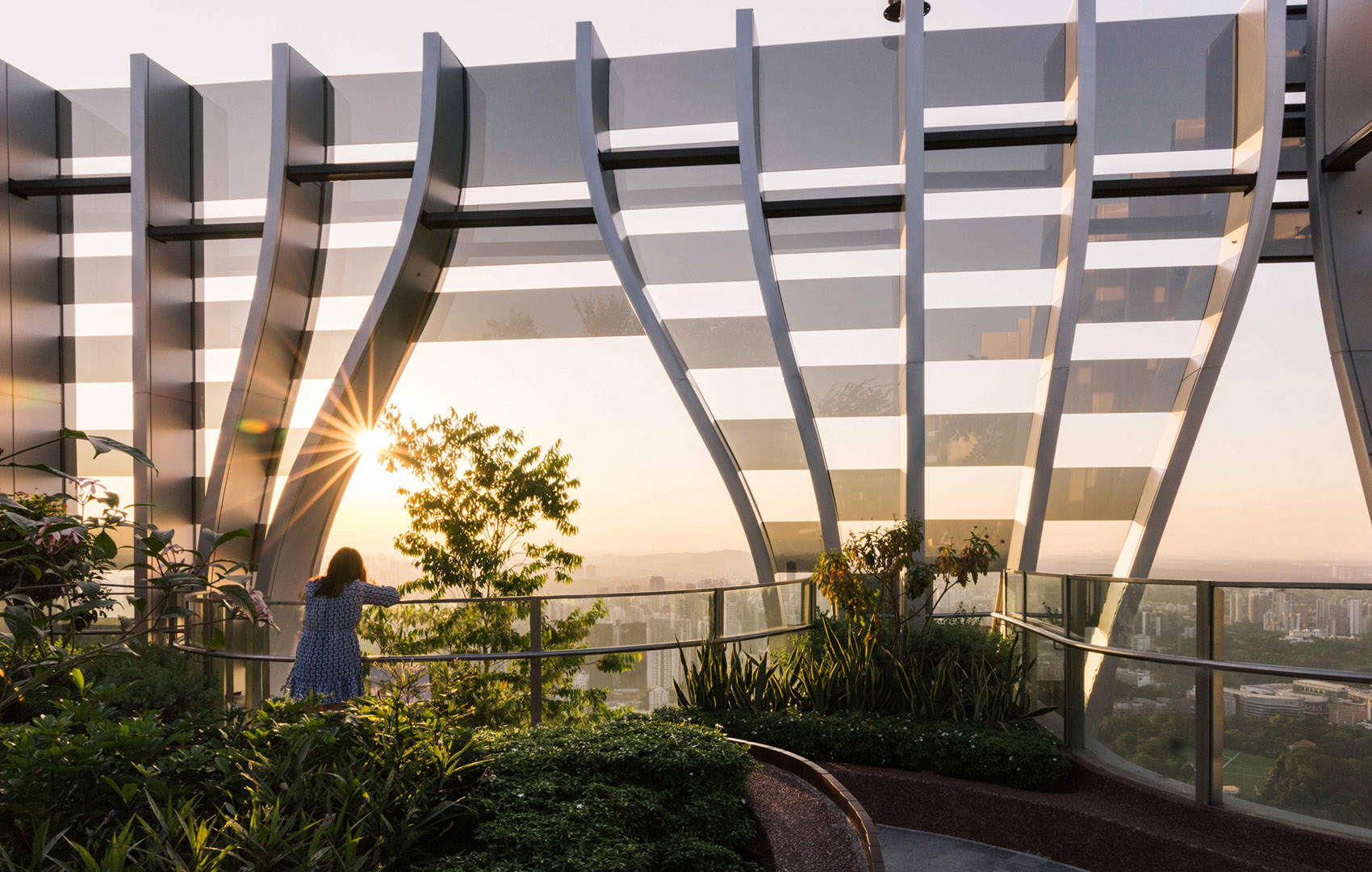
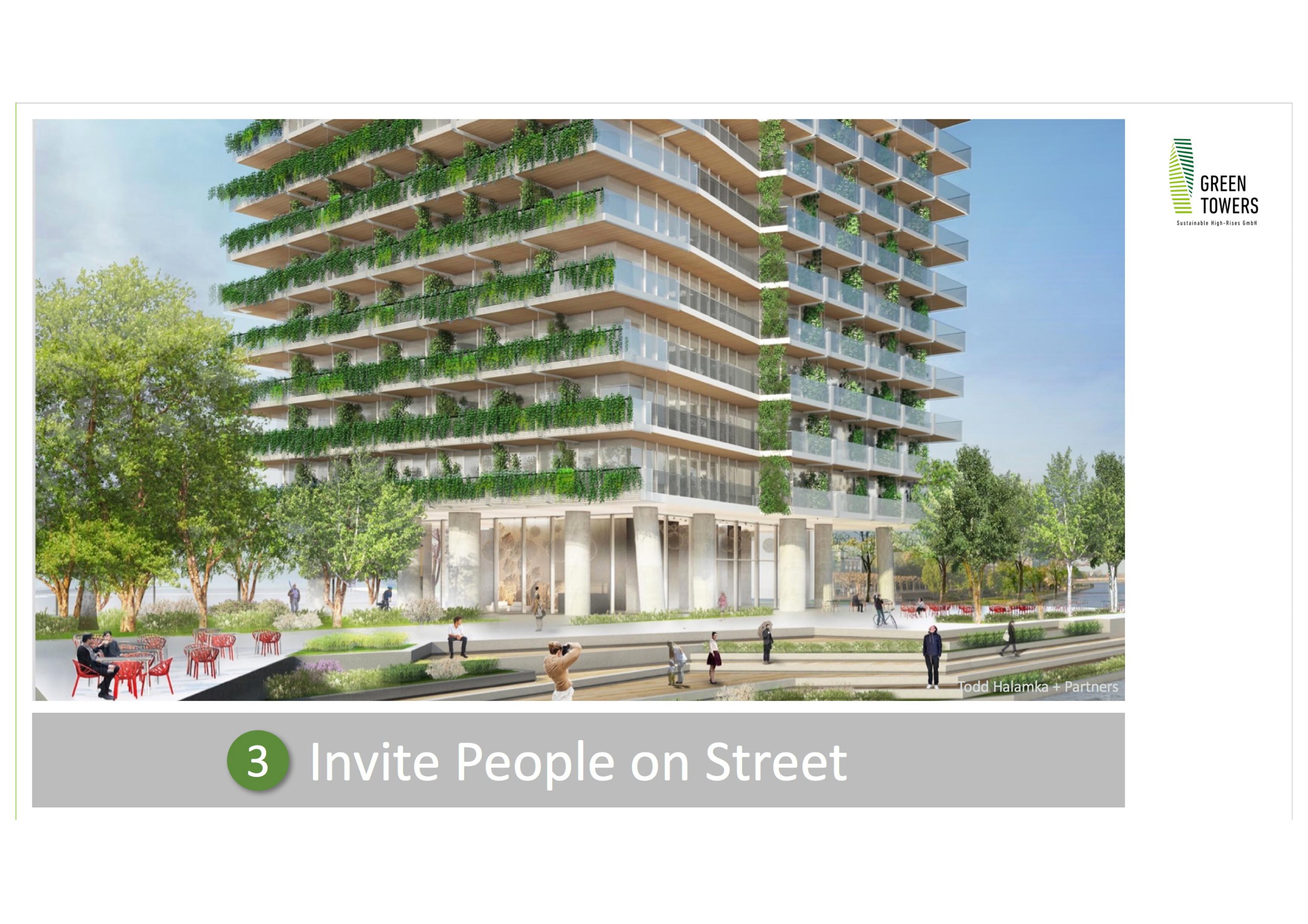
- Community engagement: Sustainable high-rises can foster a sense of community among residents by incorporating shared spaces, green roofs, and rooftop gardens.
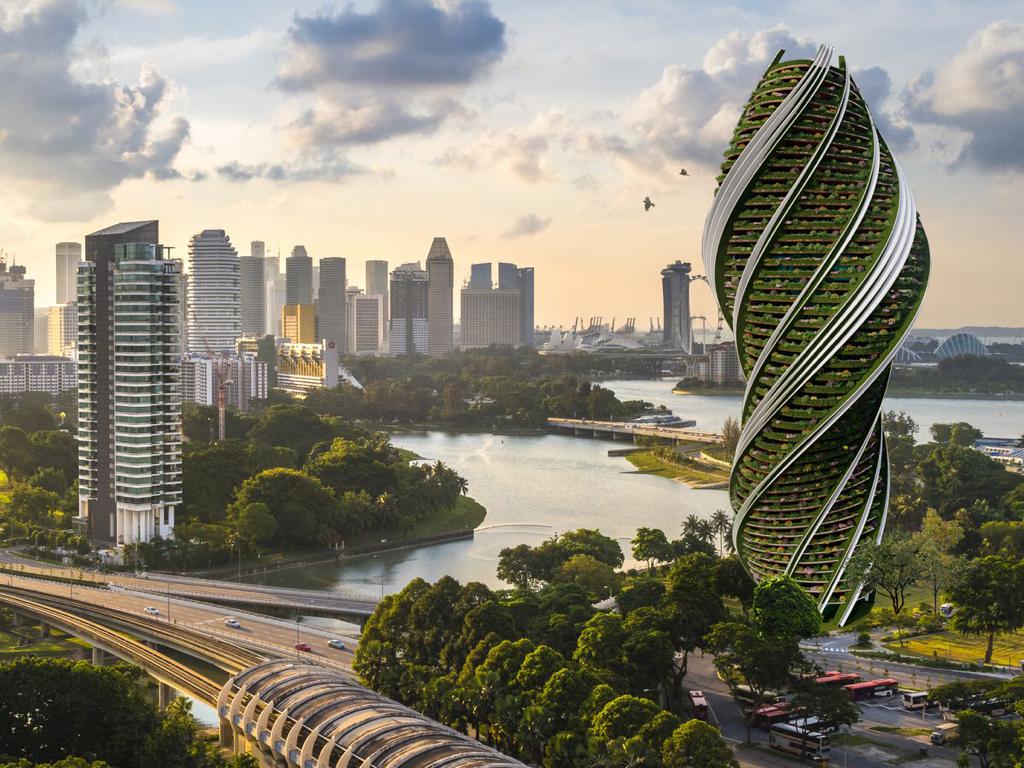
The Benefits of Sustainable High-Rise Apartments
High-rise buildings are no longer just about density and proximity; they're about creating sustainable, livable environments that prioritize residents' health, well-being, and quality of life.
- Environmental benefits: Sustainable high-rise apartments reduce their carbon footprint, conserve water, and promote eco-friendly transportation.
- Cost savings: Energy-efficient designs and water conservation strategies can significantly reduce residents' utility bills.
- Improved health and well-being: High-rise apartments with green roofs, rooftop gardens, and access to natural light and fresh air contribute to improved physical and mental well-being.
- Increased property value: Sustainable high-rise apartments command higher property values and attract eco-conscious buyers.
Challenges and Opportunities
- Regulatory frameworks: Policymakers must create and update regulations to encourage sustainable high-rise development and infrastructure.
- Innovation and research: Architects, engineers, and researchers must collaborate to develop and apply cutting-edge technologies and sustainable design strategies.
- Community engagement: High-rise developers and residents must work together to create community spaces and promote sustainable lifestyles.
- Education and training: Educating building professionals, residents, and policymakers about sustainable high-rise design and its benefits is crucial for widespread adoption.
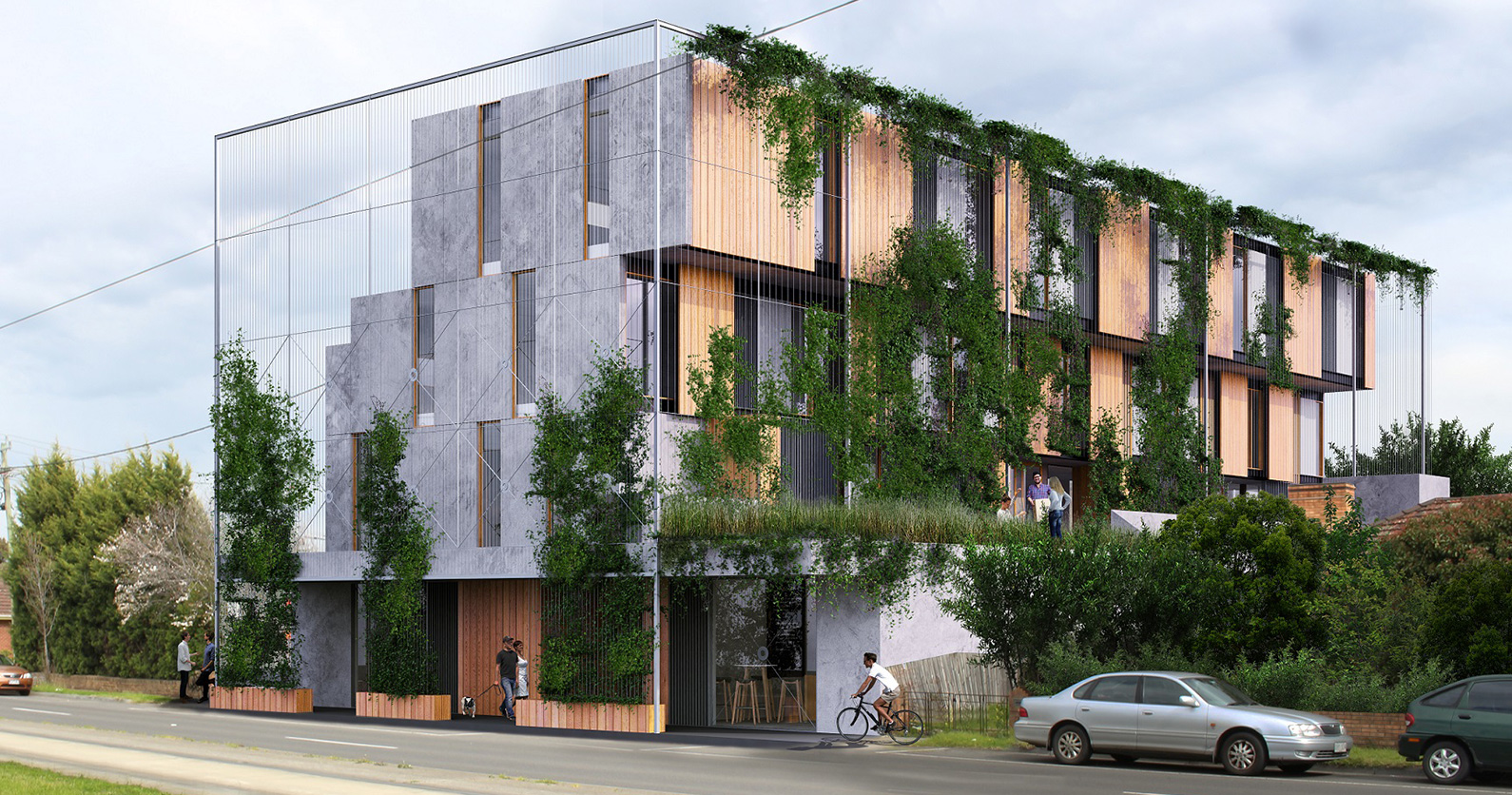
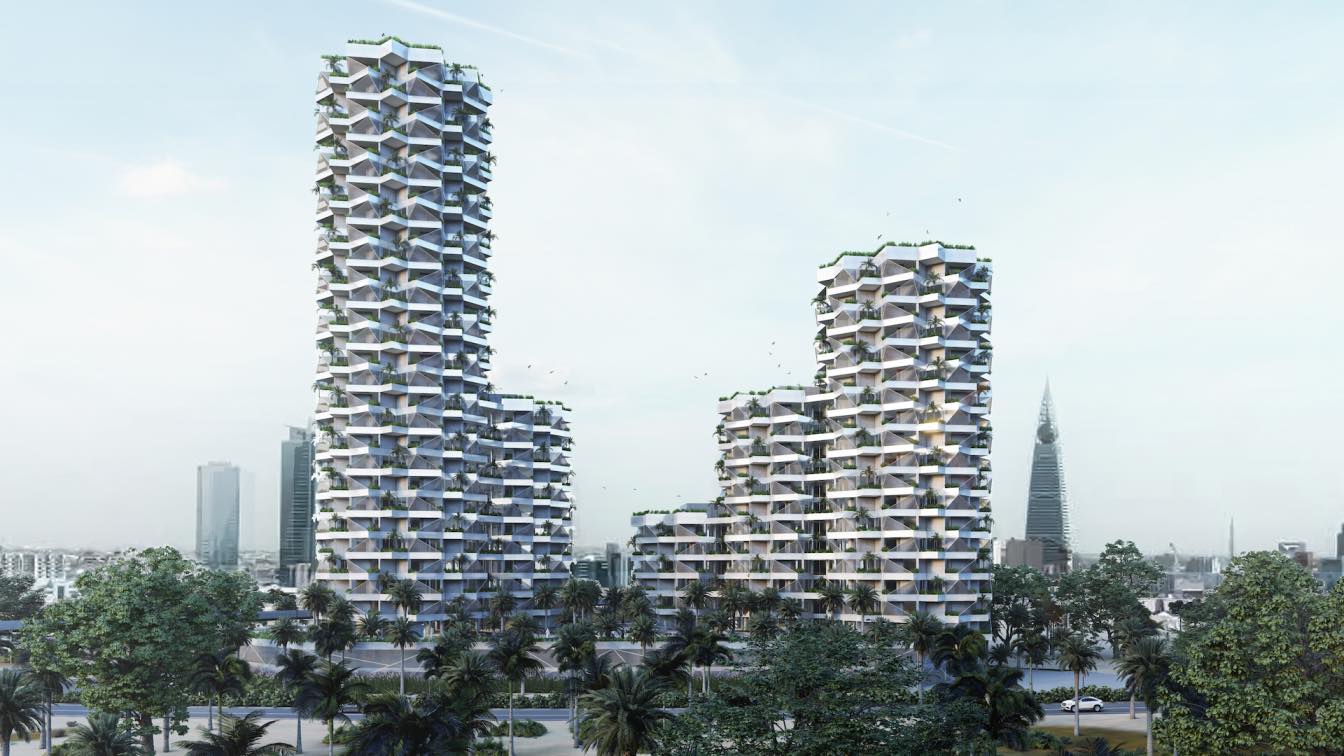
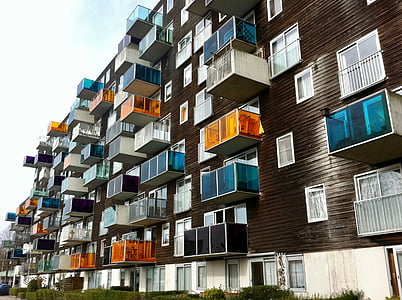
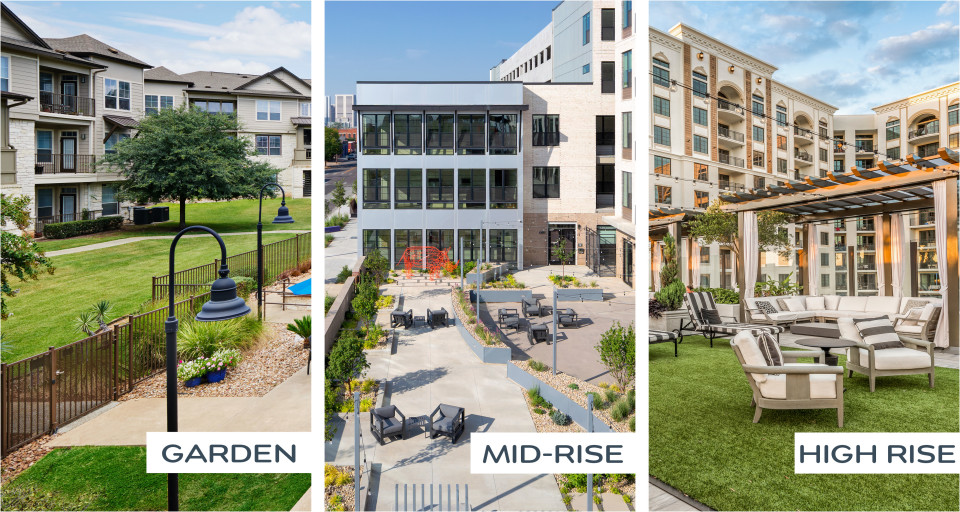
As we can see from the illustration, Sustainable Architecture For High Rise Apartments has many fascinating aspects to explore.
Conclusion
Designing sustainable high-rise apartments is no longer a choice; it's a necessity for creating livable, equitable, and environmentally conscious urban environments. By prioritizing energy efficiency, water conservation, and materials, architects and developers can create high-rise complexes that reduce their environmental footprint, enhance residents' quality of life, and increase property values.
Al-Kodmany, K. (2020). Sustainable high-rise buildings: Toward resilient built environment. Journal of Cleaner Production, 273, 123320.
Dezeen. (2022). Sustainable high-rise buildings are transforming urban landscapes.
Green building council. (2022). LEED Platinum certification forhigh-rise buildings.
Journal of Architecture and Urban Design. (2022). Sustainable high-rise apartments in dense cities.