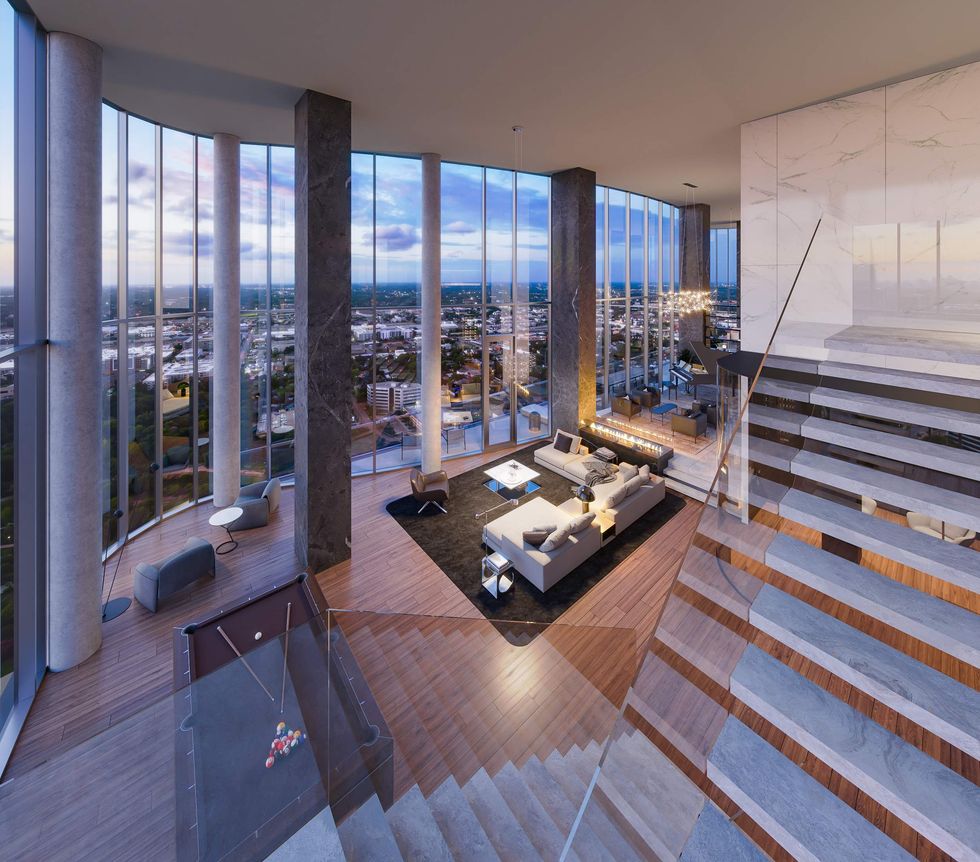
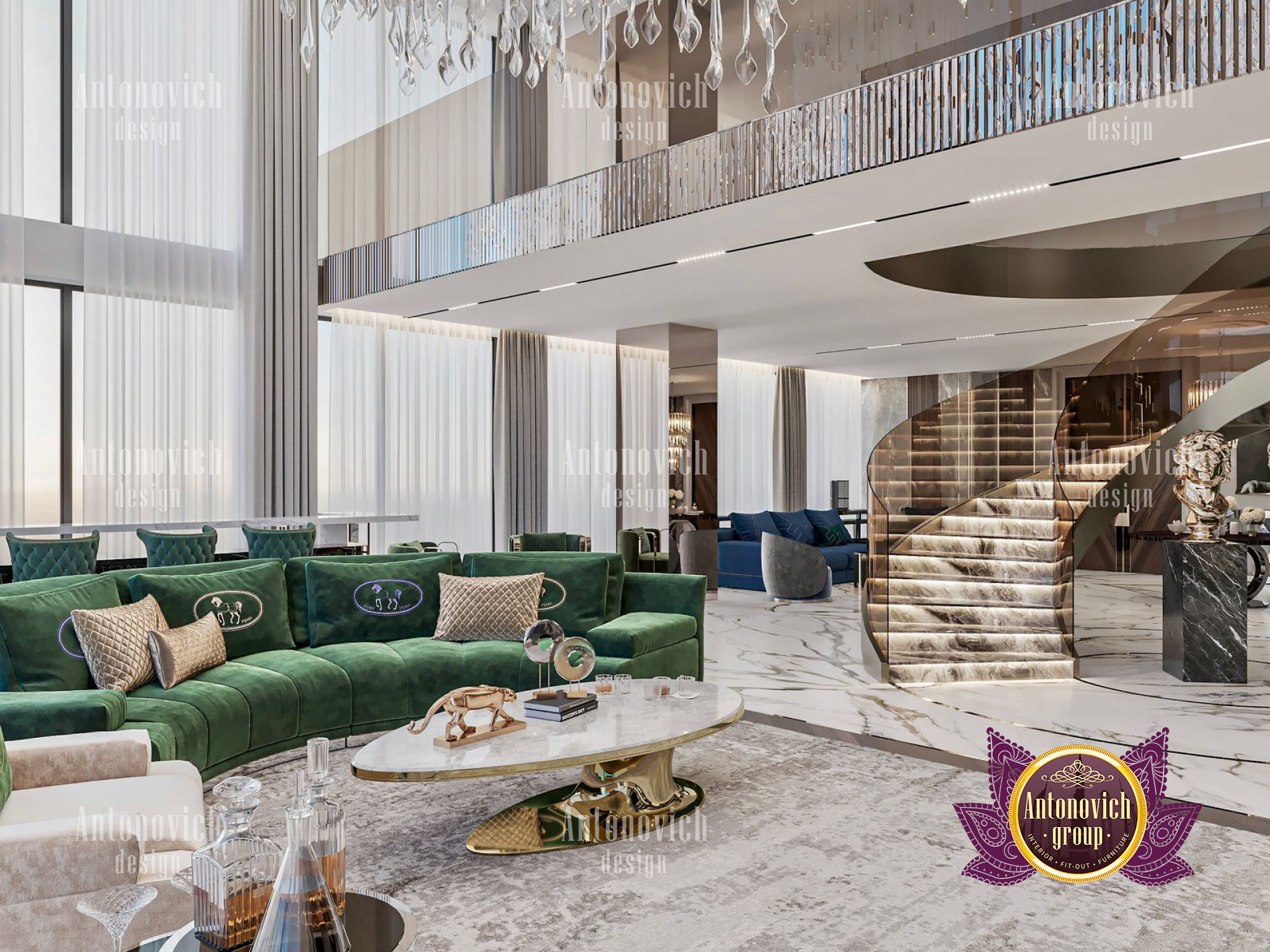
Sustainable High-Rise Penthouse Design: Elevating Luxury Living
The rapid urbanization of cities worldwide has led to a surge in high-rise building construction. However, this trend also raises concerns about the environmental impact of these structures. As architects and designers, it's essential to prioritize sustainable high-rise penthouse design, balancing luxury living with eco-friendly practices.
The Need for Sustainable High-Rise Design
High-rise buildings account for a significant portion of urban energy consumption and greenhouse gas emissions. Traditional design approaches often focus on aesthetics and luxury features, overlooking the environmental consequences. However, sustainable high-rise design can minimize these impacts while enhancing occupant comfort and energy efficiency.
Key Principles of Sustainable High-Rise Design
- Energy Efficiency: Implementing energy-efficient systems, such as solar panels, wind turbines, and green roofs, to reduce energy consumption and reliance on non-renewable sources.
- Material Selection: Choosing sustainable materials, like recycled steel, low-VOC paints, and FSC-certified wood, to minimize waste and environmental harm.
- Water Conservation: Implementing rainwater harvesting systems, low-flow fixtures, and greywater reuse to conserve this precious resource.
- Waste Reduction: Designing out waste through careful planning, minimizing packaging, and encouraging recycling and composting.
- Indoor Air Quality: Ensuring good indoor air quality through natural ventilation, air filtration, and non-toxic materials.

Designing for Sustainability
Sustainable high-rise design requires a holistic approach, integrating architectural, engineering, and urban planning considerations. This includes:
- Site Selection: Choosing a site with optimal solar orientation, wind patterns, and access to public transportation.
- Building Orientation: Designing the building to maximize natural light and ventilation, reducing the need for artificial lighting and mechanical systems.
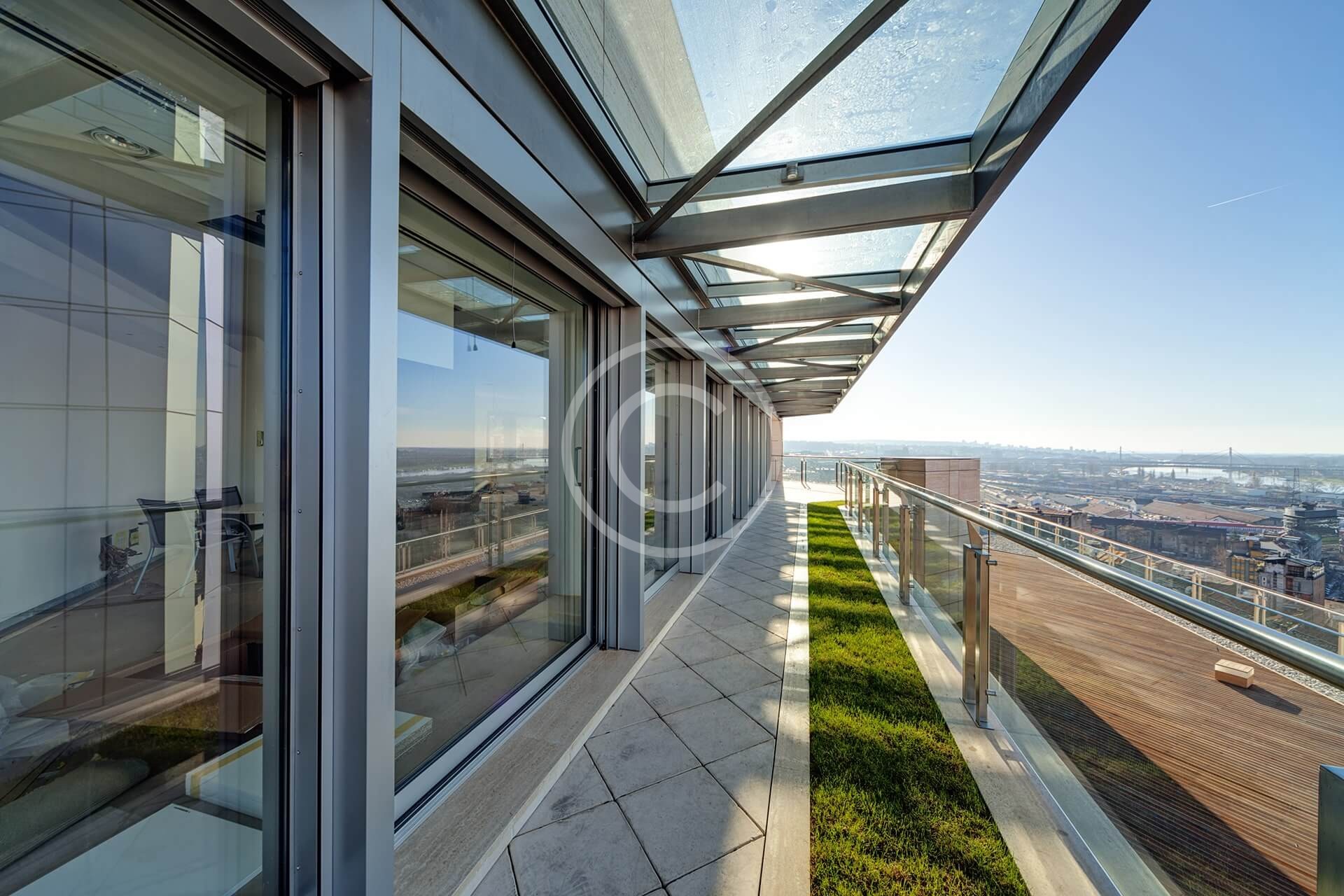
- Green Roofs: Incorporating green roofs to insulate the building, reduce stormwater runoff, and provide habitats for urban wildlife.
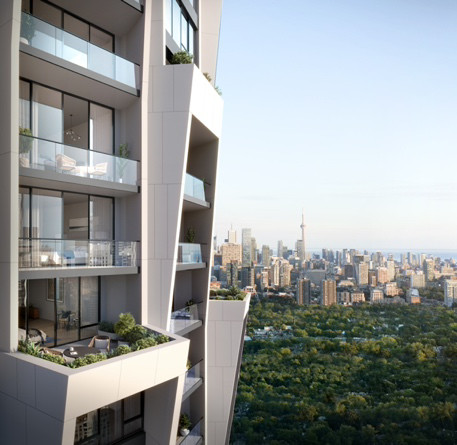
- Biophilic Design: Incorporating natural elements, like living walls, green spaces, and natural materials, to promote occupant well-being and connection to nature.
Case Studies in Sustainable High-Rise Design
Several iconic buildings showcase the potential of sustainable high-rise design:

- The Oasia Hotel in Singapore, designed by WOHA, features a stunning green façade and rooftop garden.
- The Ertsa/25 penthouse in Stockholm, Sweden, boasts a five-bedroom eco-friendly design with a green roof and solar panels.
- The WTC Tower in Amsterdam, designed by Benthem Crouwel, incorporates a double-skin façade and green roof to reduce energy consumption.
Conclusion
References
- Dezeen. (2020). Sustainable High-Rise Buildings: Towards Resilient Built Environment.
- Green Building Alliance. (2020). Sustainable High-Rise Design: A Guide for Architects and Engineers.
- Wing Lam. (2020). Sustainable High-Rise Buildings: A Case Study of the Oasia Hotel.
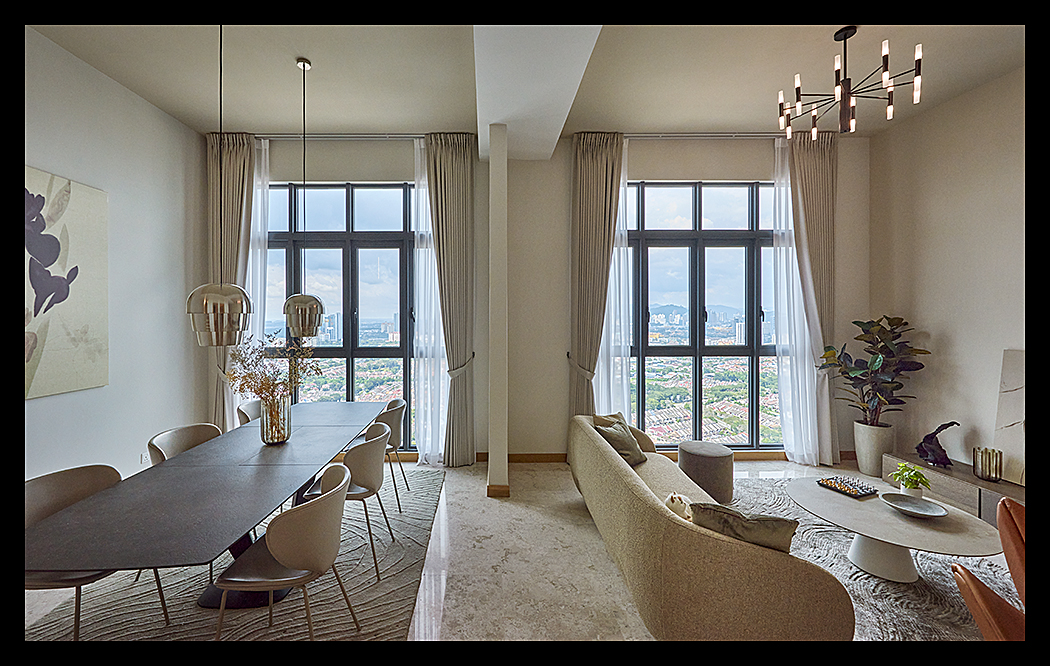

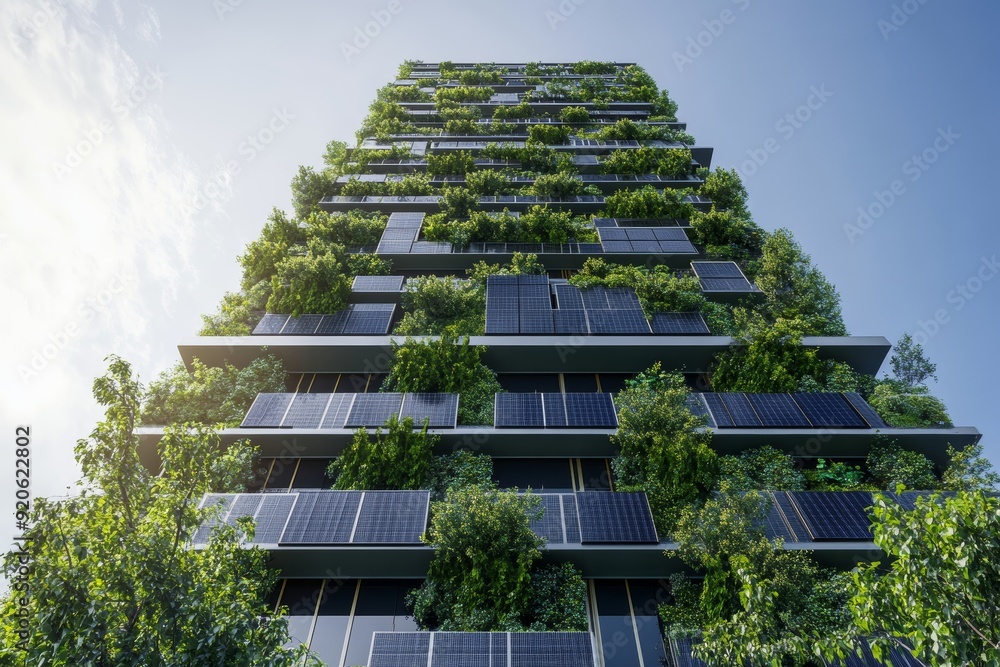
![Image showcasing Sustainable High-Rise Buildings [electronic resource] : Design ...](https://i.pinimg.com/736x/60/48/1f/60481fb8815400a933f565f852295e9a.jpg "Sustainable High-Rise Buildings [electronic resource] : Design ...")