Sustainable Building Materials: The Future of Construction
The construction industry is one of the largest contributors to greenhouse gas emissions, accounting for approximately 40% of global energy consumption and 39% of carbon dioxide emissions. The demand for sustainable building materials is on the rise, as architects, builders, and homeowners seek to reduce their carbon footprint and create healthier living and working spaces.
What are Sustainable Building Materials?
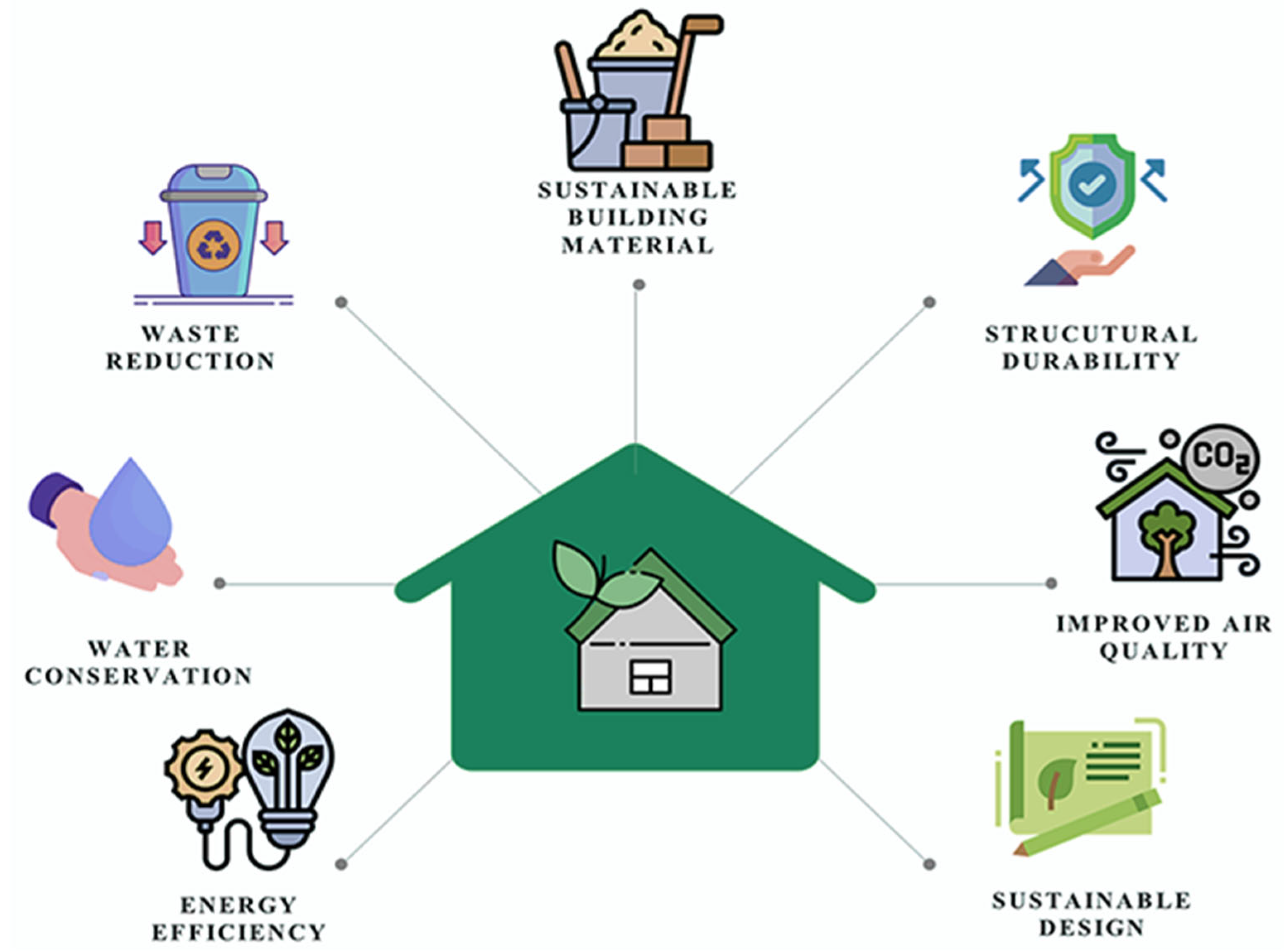
Sustainable building materials are materials that are produced with minimal environmental impact, using processes that conserve energy, water, and natural resources. These materials are also designed to last longer, require less maintenance, and improve energy efficiency, all of which contribute to lower lifecycle costs.
Benefits of Sustainable Building Materials
- Reduce carbon footprint and greenhouse gas emissions
- Conserve energy and water resources
- Improve indoor air quality and human health
- Increase durability and reduce maintenance costs
- Contribute to sustainable and responsible construction practices
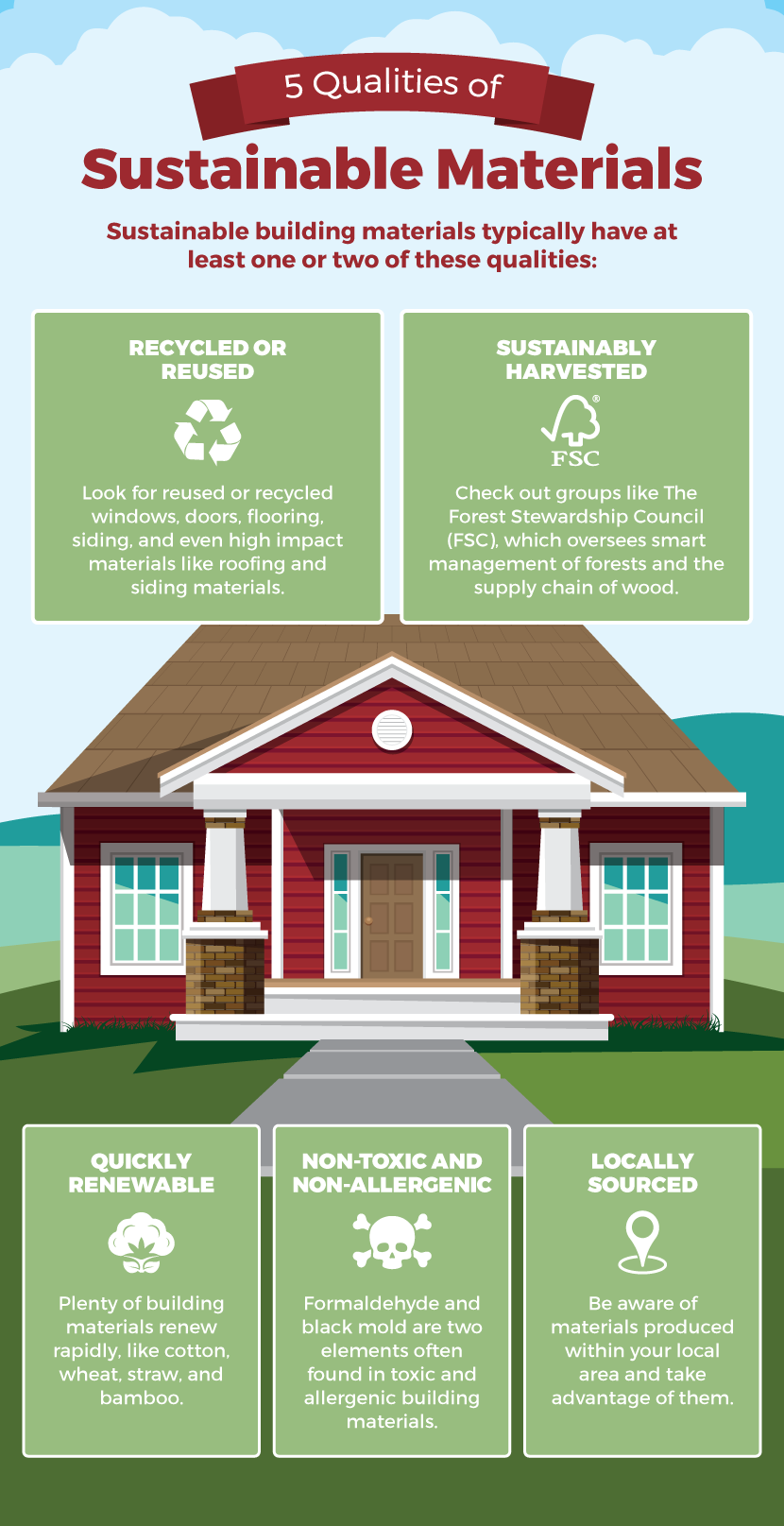
Types of Sustainable Building Materials
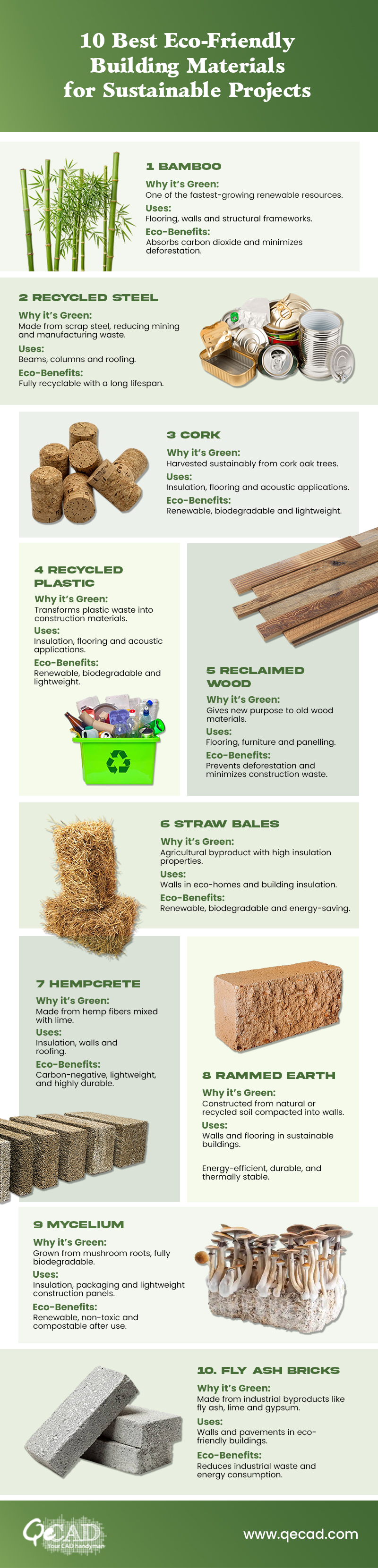
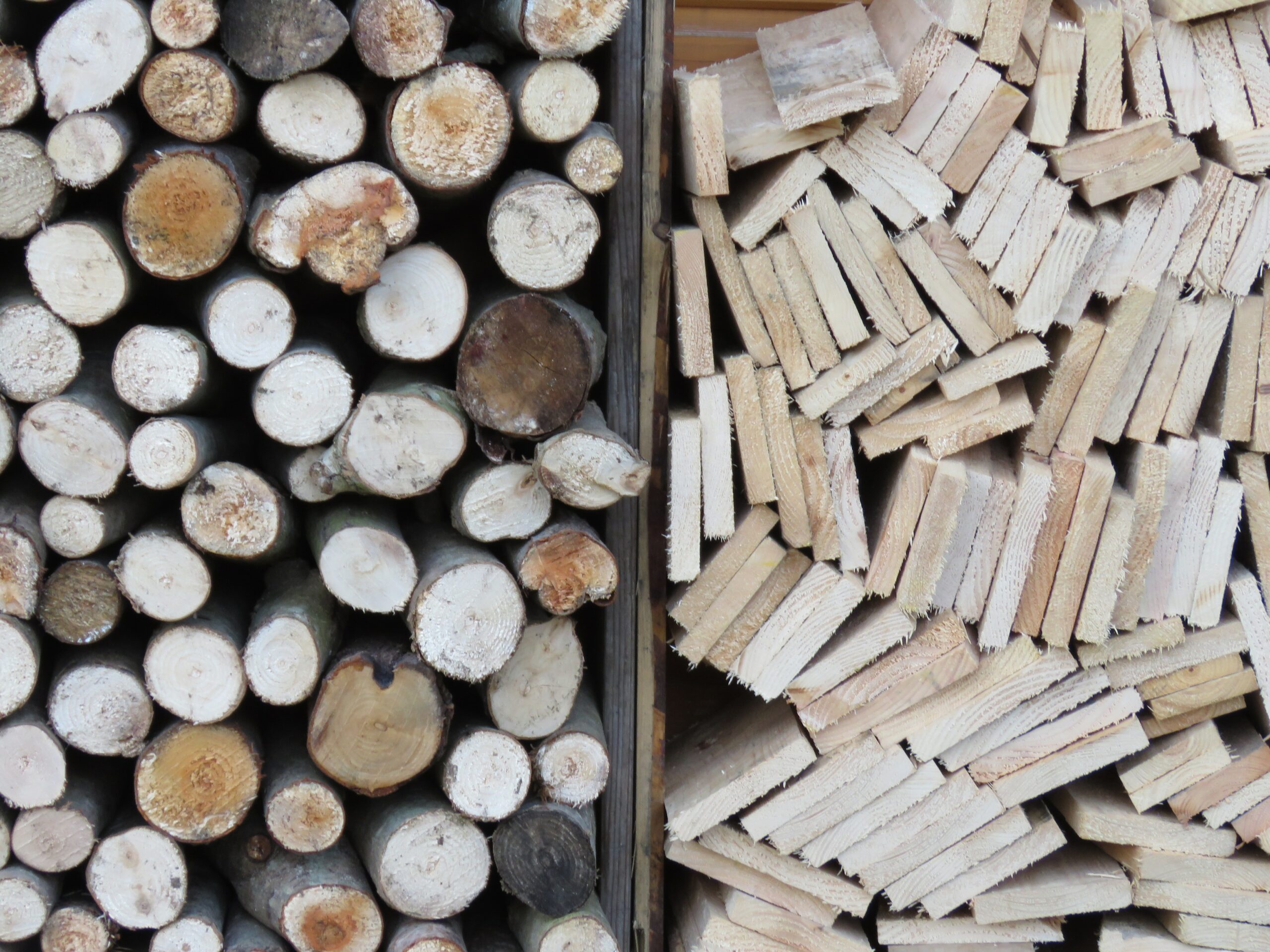
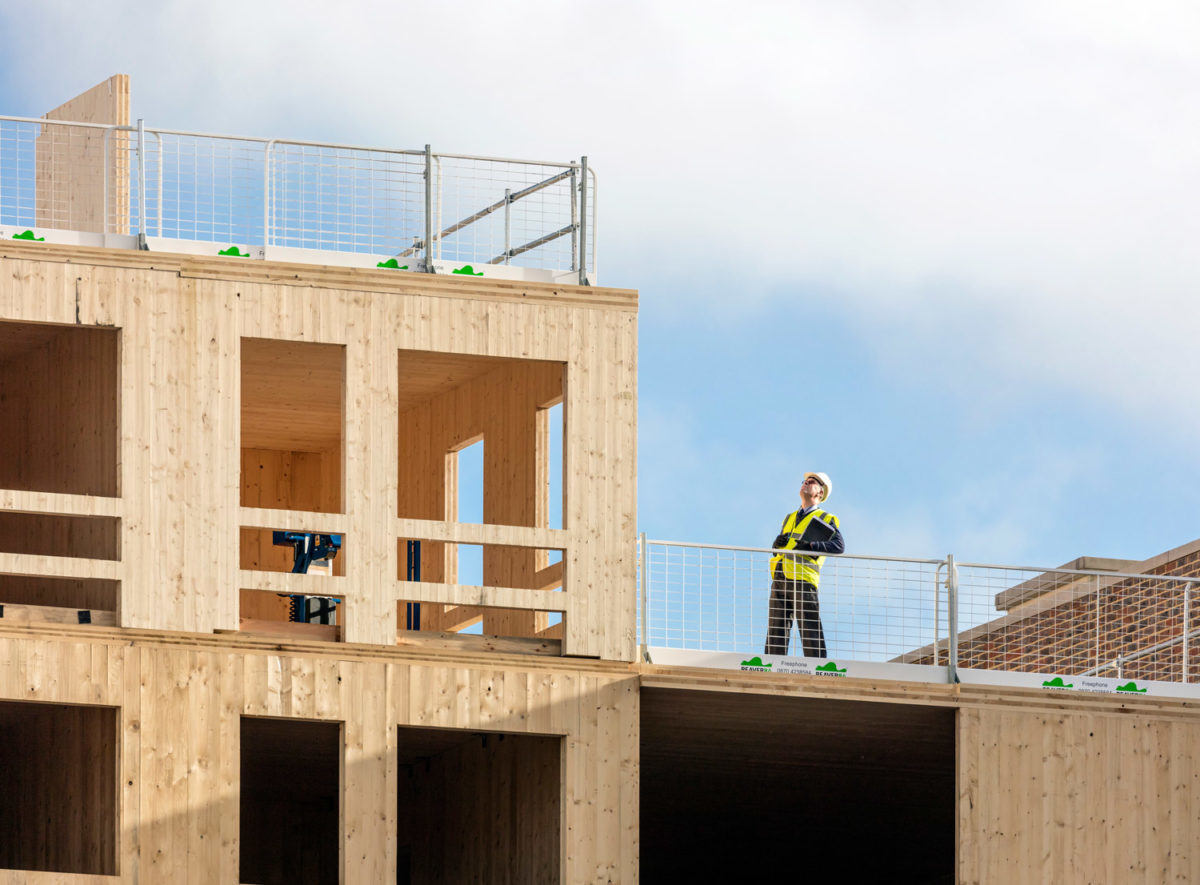
There are numerous sustainable building materials available, including:
Challenges and Opportunities
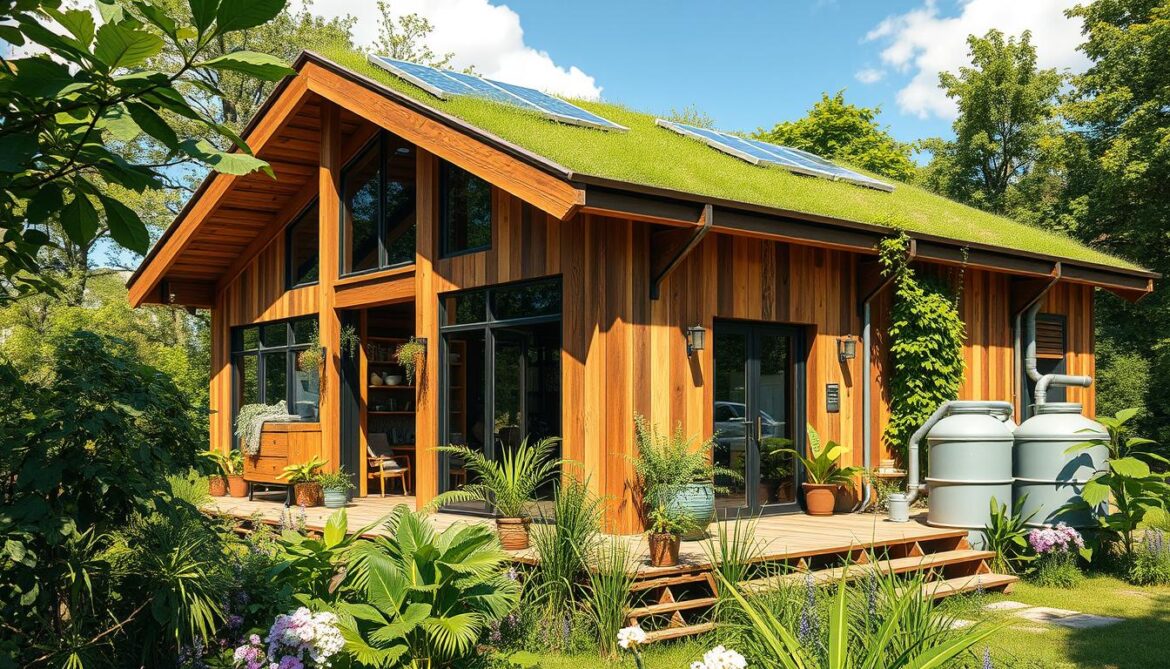
While sustainable building materials offer numerous benefits, there are also challenges and opportunities to consider. For example:
- Cost: sustainable materials can be more expensive than traditional materials
- Availability: sustainable materials may be harder to find or obtain
- Education: there is a need for increased education and awareness among builders, architects, and homeowners about sustainable building materials
- Standardization: there is a need for standardized testing and certification processes for sustainable building materials
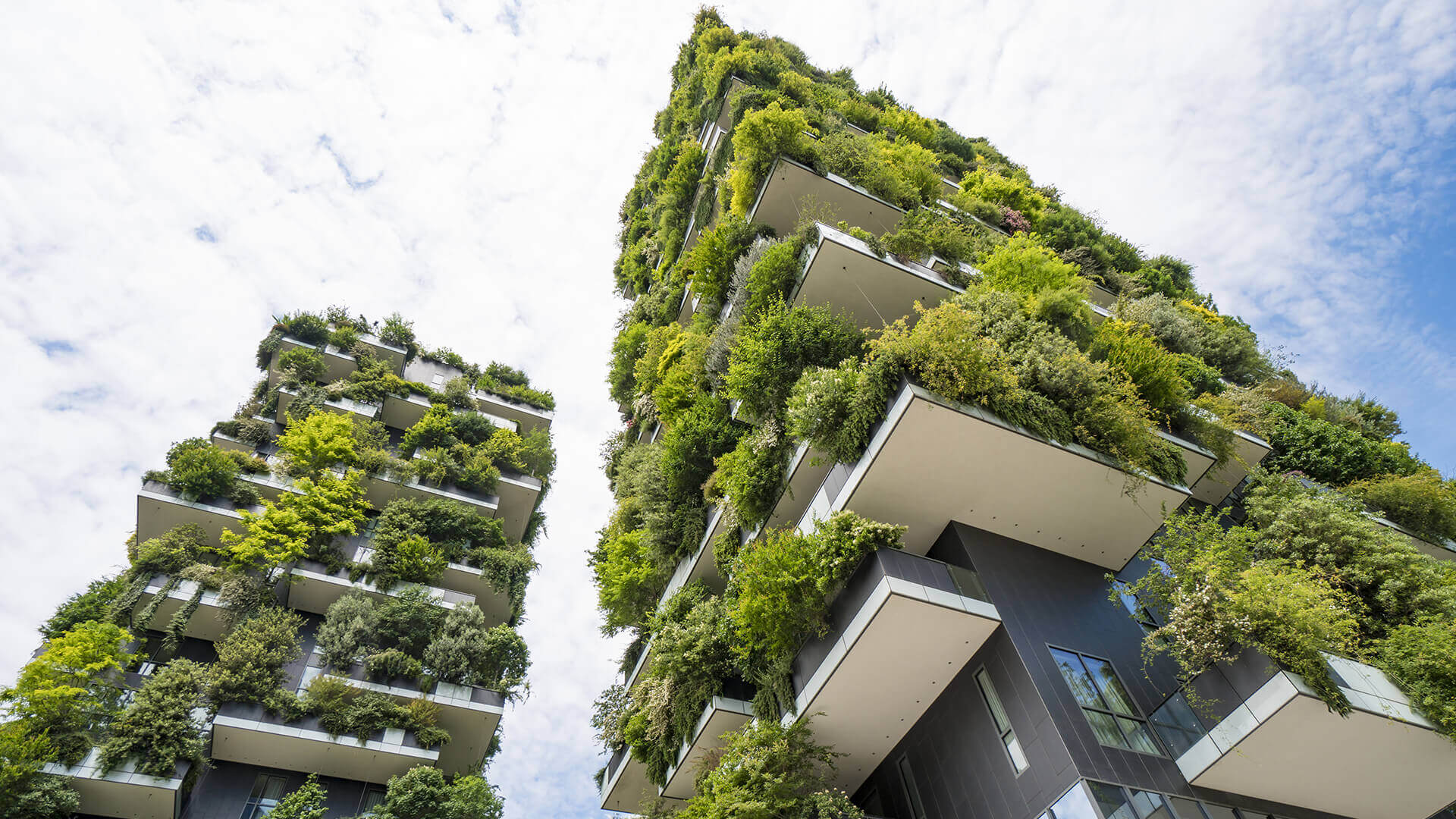
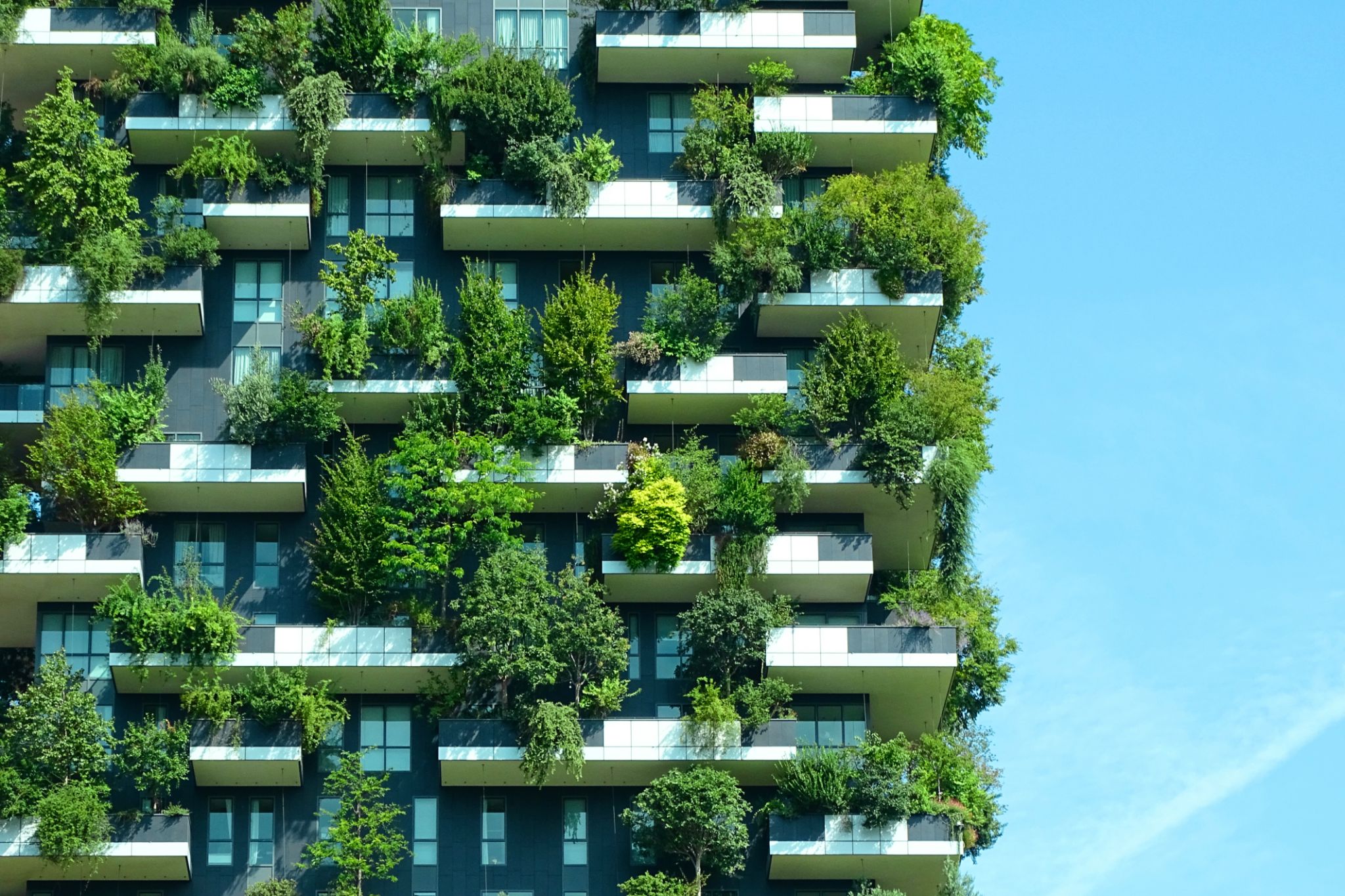
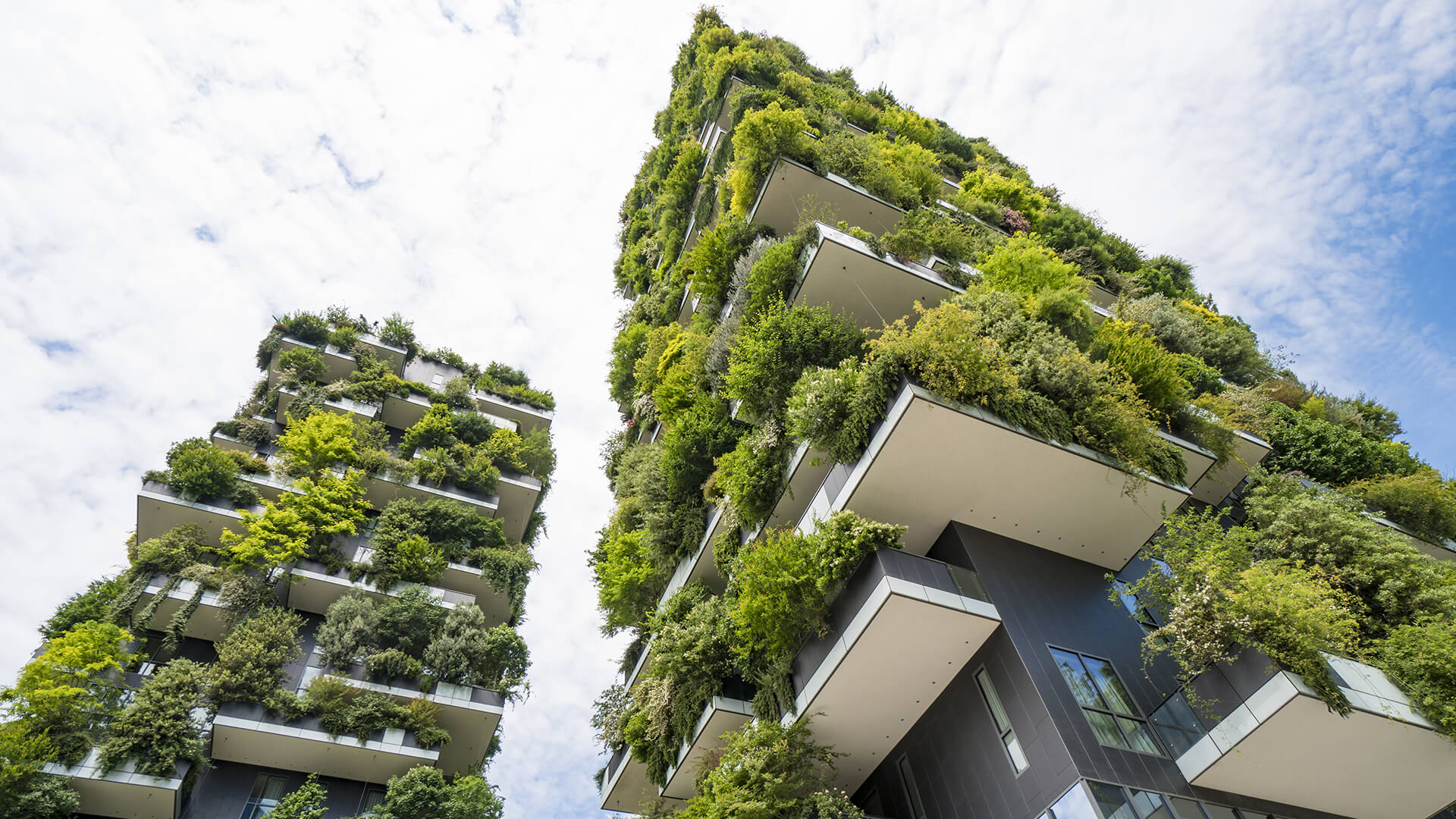
There are many successful case studies and examples of sustainable building materials in action. For instance:
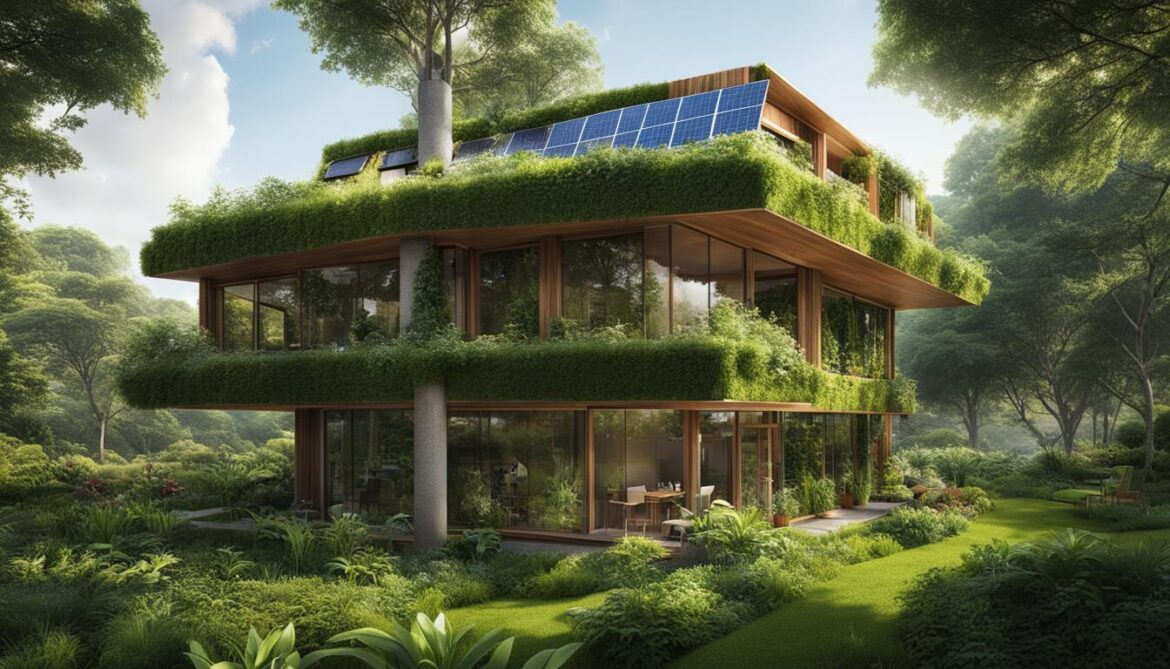
- The High Park Condominium in Toronto, Canada, features a unique "green roof" made from sustainable materials
- The Amazon Spheres in Seattle, Washington, USA, feature a rainforest-inspired interior with sustainable materials and energy-efficient systems
- The United Arab Emirates' Masdar City features innovative sustainable building designs and materials

Conclusion
Sustainable building materials are an essential part of creating a more environmentally responsible and sustainable construction industry. By embracing sustainable materials and practices, we can reduce our carbon footprint, improve indoor air quality, and create healthier living and working spaces.
Getting Started
Getting started with sustainable building materials requires research, education, and planning. Here are some steps to consider:
- Research and evaluate different sustainable materials
- Consult with architects, builders, and industry experts
- Determine your budget and priorities
- Consider the entire lifecycle of the material, from production to disposal
- Look for certified and standardized sustainable materials








2.jpg "Healthier Materials and Sustainable Building Specialization Healthier ...")